
Online Marketing Tips Blog
In this Daily blog, I'll try to answer the most burning questions for online marketing that I get in my consulting business. We help online business owners who are in affiliate marketing, coaching, eLearning and Online Events every single day. I'll share that info with you!
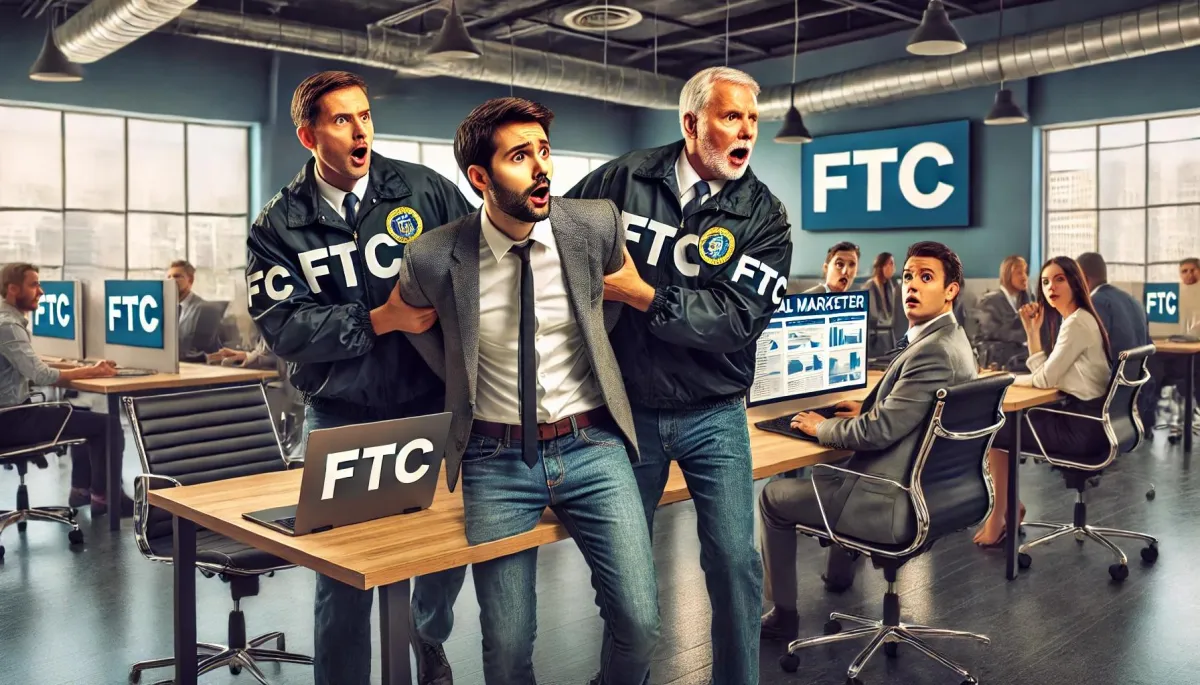
Will the FTC Catch You Using False Scarcity and Urgency in Your Ads?
When it comes to digital advertising, scarcity and urgency are two of the most powerful psychological triggers in a marketer’s toolkit. Phrases like "Only 3 left in stock!" or "Limited-time offer, ends tonight!" can create a sense of urgency, pushing consumers to make faster decisions. But what happens when those "hurry before it’s gone" claims aren't true?
For digital marketers, the Federal Trade Commission (FTC) has clear rules about what constitutes deceptive advertising. Misusing scarcity and urgency tactics can quickly lead to legal trouble. This blog will walk you through what the FTC considers acceptable practices, explain the risks of false claims, and help you avoid landing on their radar.
How Scarcity and Urgency Work in Digital Marketing
Scarcity and urgency appeal to FOMO—the fear of missing out. These tactics play on human psychology, triggering a sense of loss aversion. People tend to assign more value to something they perceive as rare or fleeting. It’s why phrases like "80% sold out!" or "Flash Sale – Ending Soon!" often perform incredibly well in ads and landing pages.
But there’s a fine line between persuading people to act and outright misleading them. While leveraging FOMO isn’t inherently illegal, misrepresenting facts to create artificial urgency crosses the line into deceptive advertising. This is where the FTC steps in.
What Does the FTC Say About False Scarcity?
The Federal Trade Commission is the U.S. government agency in charge of protecting consumers from deceptive or unfair business practices. According to the FTC Act, any advertising claim must be truthful, not misleading, and substantiated. False scarcity and urgency fall under deceptive practices if your ads manipulate consumers into making decisions based on exaggerated or fabricated claims.
Examples of False Claims That Could Get You Fined
• "Only 5 left in stock!" when your inventory is unlimited
• "Sale ends at midnight!" when the sale continues for weeks or months after
• "Exclusive offer for today only!" when the same deal is available elsewhere or repeatedly offered
If the FTC determines that your ad misleads consumers and affects their purchase decision, your company could face legal enforcement actions, such as fines, cease-and-desist orders, or even lawsuits.
Real-Life FTC Cases on False Scarcity
To understand the seriousness of false advertising, here are recent cases where businesses faced penalties for deceptive scarcity and urgency claims:
1. The Fashion Nova Case
Fashion retailer Fashion Nova falsely advertised limited-time sales and discounts that constantly reappeared. The FTC fined Fashion Nova $9.3 million, citing that their "urgency" claims misled consumers into believing they were getting a better deal than they actually were.
2. UrthBox Subscription Boxes
UrthBox offered "free trials" while secretly enrolling customers into subscriptions, using false urgency tactics. Their misleading claims earned them a $100,000 settlement with the FTC.
3. Ticketmaster's "Limited Availability" Tactics
Ticketmaster claimed that tickets for events were almost sold out, driving consumers to buy quickly. Investigations revealed these were often false alerts. While Ticketmaster faced heavy scrutiny and some backlash, they ultimately avoided FTC enforcement by revising their methods.
These cases show that false claims around scarcity and urgency don’t just anger customers—they put your business directly in the FTC’s crosshairs.
Are You at Risk of an FTC Crackdown?
The good news? Not every use of scarcity and urgency will trigger FTC penalties. To stay out of trouble, follow the agency's guidelines on truthful advertising. You’re safe as long as you don’t misrepresent the facts.
Signs You Might Be Crossing the Line
• Making inventory claims (e.g., "Only 3 left") without backing them up
• Setting arbitrary deadlines to pressure consumers into purchasing
• Offering "exclusive" discounts that are actually widespread
• Failing to disclose terms, like automatic renewals for "limited-time" offers
If your claims are exaggerated, unclear, or entirely fabricated, it’s time to rethink your strategy.
How to Use Scarcity and Urgency the Right Way
Scarcity and urgency don’t have to be abandoned—they just need to be truthful and well-planned. Here’s how you can implement these tactics while staying in compliance with FTC regulations:
1. Be Transparent About Inventory Levels
If you claim "only 5 left in stock," ensure that you actually have only five units available for sale. Tools like inventory trackers can help you keep these claims accurate and updated in real-time.
2. Use Real Deadlines
If you’re running a 48-hour flash sale, stick to the timeline. Don’t extend the sale unless you clearly disclose the new terms. Consistently resetting deadlines erodes trust with your audience.
3. Back Up Your Claims with Data
Transparency about why a sale or promotion is limited can help legitimize your urgency. For example, explain why an offer ends ("New collection launching next week!") or share proof of popularity ("50,000 sold last month!").
4. Use Ethical Language
Reframe your messaging to encourage action without crossing into exaggeration. Instead of "Only one left!" try "Final units available!" This creates urgency while giving you room for flexibility.
5. Document Everything
Keep records of your inventory levels, campaign timelines, and sales performance. If the FTC were to investigate your claims, having this documentation could help back up your case.
The Business Costs of False Advertising
Beyond fines and legal issues, misleading your audience can severely damage your brand’s reputation. Online shoppers rely heavily on trust, and being exposed as dishonest disrupts customer loyalty.
Consider these potential consequences of false advertising:
• Negative reviews and social media backlash
• Higher cart abandonment rates
• Decreased lifetime customer value due to a damaged reputation
Rather than risking these outcomes, focus on building sustainable marketing campaigns that emphasize trust and authenticity.
Build Credibility and Drive Sales the FTC-Compliant Way
Marketers thrive on creativity and innovation, but one thing should remain constant—your integrity. False scarcity and urgency might deliver a short-term sales boost, but the long-term costs far outweigh the gains.
Instead, focus on creating value-driven campaigns that leverage real scarcity and urgency. Not only will this help you avoid costly FTC investigations, but it will also attract loyal customers who believe in your brand’s authenticity.
Want to master ethical marketing strategies? Start by auditing your current campaigns and ensure your messages align with FTC regulations. Staying truthful isn’t just the law—it’s also great business.
We focus on ethical marketing in our flagship training, which can help you get started in High Ticket Affiliate Marketing, eLearning & Courses, Events and Masterminds, along with Coaching. These Core Four businesses allow digital marketers to earn online. We can get you started for just $5 with a 5 Day Challenge, and if you are not satisfied, we’ll give you BACK your money!
Listen to a Podcast review of this system as well.
Disclaimer: If you click on links we provide and make a purchase, we may receive compensation. There is never any guarantee of income in any of the links or programs we provide.

If you have specific questions you would like to see answered in this blog, please send them to me at [email protected]. I will try to address every question here.
If you follow the links in my blog, some of them will be affiliate links and I will be compensated if you purchase a course or product from these links. This is no way increases your price or changes my opinion on these courses. I only recommend things I use in my business.
For the absolute best training online for Affiliate Marketing, Coaching, Events & Masterminds and eLearning - Online Courses: Check out our Flagship Program Here.
Copyright © 2025 | All Affiliate Cash | All Rights Reserved
There may be affiliate links on these pages. When you follow them and purchase something, I may be paid a commission. This does not raise your cost of the item, and does not influence my opinion or review of the item in any way.
NOT FACEBOOK™: This site is not a part of the Facebook™ website or Facebook Inc. Additionally, This site is NOT endorsed by Facebook™ in any way. FACEBOOK™ is a trademark of FACEBOOK™, Inc.